Best Robotics Company in Chakan - Nikmag Engineering
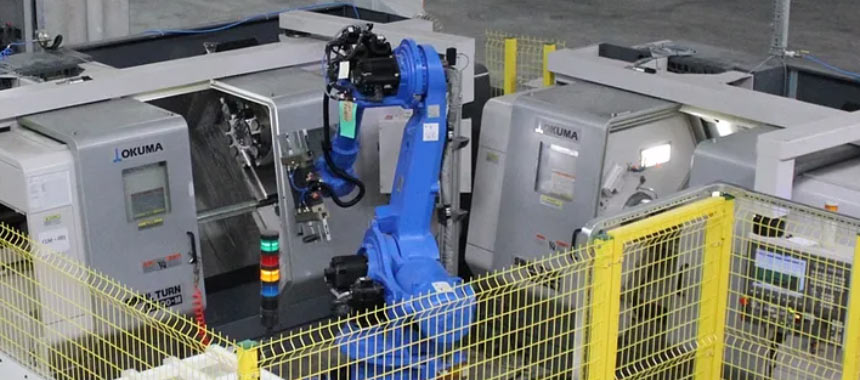


Nikmag Engineering is a well known robotics company in Chakan, delivering advanced automation solutions across industries. Robotics has evolved far beyond traditional large-scale manufacturing and is now seamlessly integrated into everyday operations such as smart factories, autonomous logistics, and intelligent systems. We focus on developing innovative solutions that combine precision engineering with AI-driven technologies to meet the evolving demands of modern industries.
With rapid advancements in Industry 4.0, the region is emerging as a global hub for robotics innovation. The integration of cyber-physical systems, cloud computing, digital twins, and real-time analytics is enabling businesses to achieve higher efficiency, reduced downtime, and data-driven decision-making. This transformation is further strengthened by the rise of leading robotics manufacturers that are driving innovation across multiple industrial sectors.
Types of Robotics Solutions
- Industrial Robotics: Industrial robotics forms the backbone of automation in the manufacturing ecosystem. These robots are engineered for high-speed, high-precision, and repetitive operations across sectors such as automotive, electronics, pharmaceuticals, and heavy engineering. Modern industrial robots include articulated arms, SCARA robots, Cartesian systems, and delta robots that offer exceptional flexibility and accuracy. They are equipped with servo-driven actuators, programmable logic controllers (PLCs), and multi-axis motion control systems. These technologies allow seamless execution of tasks such as robotic welding, laser cutting, CNC machine tending, palletizing, and assembly line automation.
- Collaborative Robots (Cobots): Collaborative robots are redefining automation by enabling safe human-robot interaction within shared workspaces. Businesses are increasingly adopting cobots to implement flexible and cost-effective automation solutions. These robots are embedded with force torque sensors, collision detection algorithms, and vision-guided control systems that ensure safe and efficient collaboration. Cobots are lightweight, flexible, and easily programmable through graphical interfaces or hand-guided teaching, making them ideal for industries that require frequent process changes.
- AI-Powered Autonomous Robots: Autonomous robots represent the most advanced form of robotics, capable of operating independently without human intervention. These systems rely on artificial intelligence, deep learning, and sensor fusion technologies. They utilize advanced tools such as SLAM (Simultaneous Localization and Mapping), LiDAR sensors, computer vision, and edge AI processors. Autonomous Mobile Robots (AMRs) are widely used in warehouse automation for material handling, real-time inventory tracking, and route optimization.
- Service and Healthcare Robotics: Service and healthcare robotics are transforming the way human-centric services are delivered. In healthcare, robotic systems assist in surgeries, diagnostics, rehabilitation, and patient monitoring. Robotic-assisted surgery provides high precision, minimal invasiveness, and faster recovery times. AI-powered diagnostic robots analyze medical data to support clinical decision-making. Telepresence robots enable remote consultations and virtual patient care.
- Agricultural Robotics: Agricultural robotics is revolutionizing farming practices through precision agriculture and data-driven insights. These systems integrate AI, IoT, and geospatial analytics to improve crop yield and resource efficiency. Applications include autonomous tractors, robotic harvesters, crop monitoring drones, and soil analysis robots. Computer vision systems analyze crop health, detect diseases, and optimize pesticide usage.
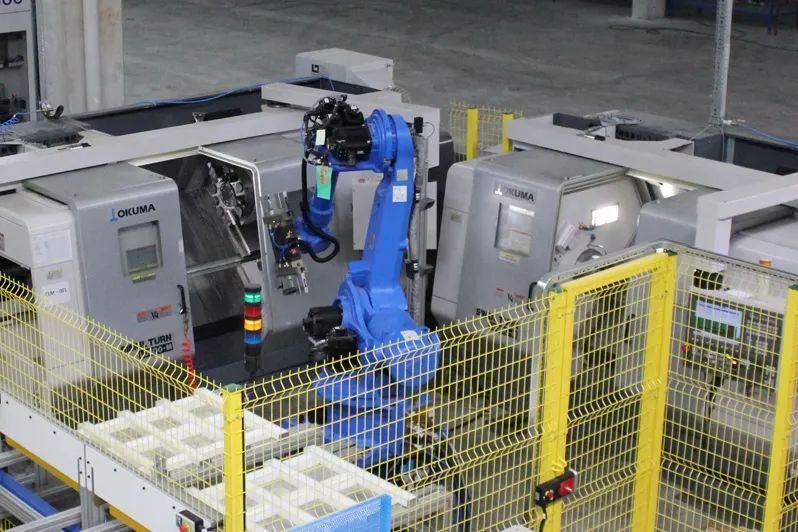
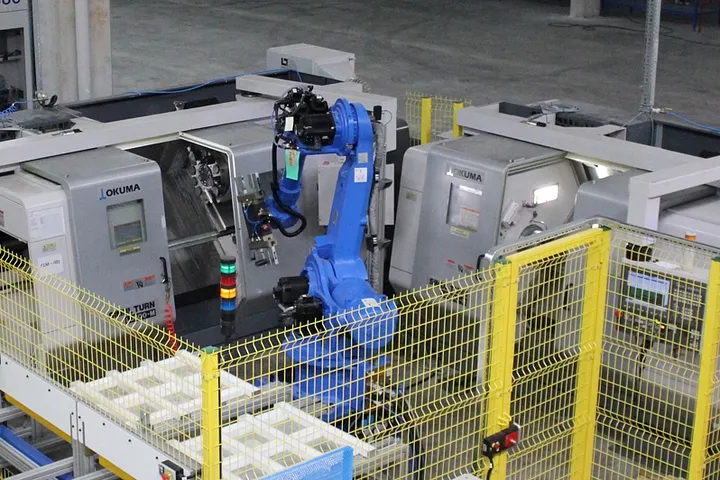
Robotics Solution Images
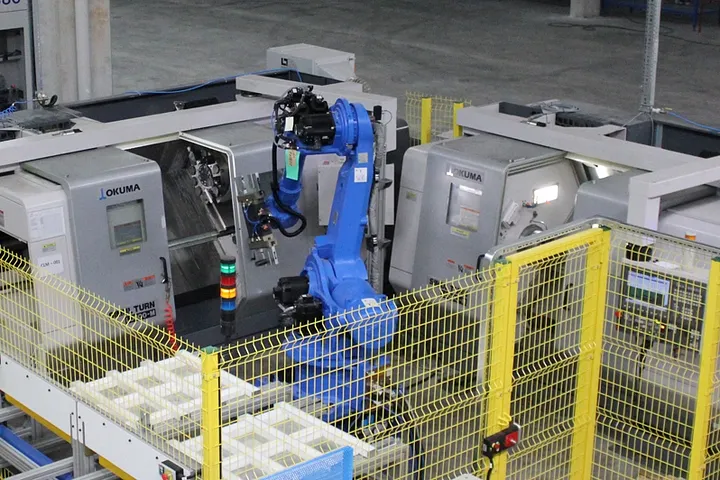
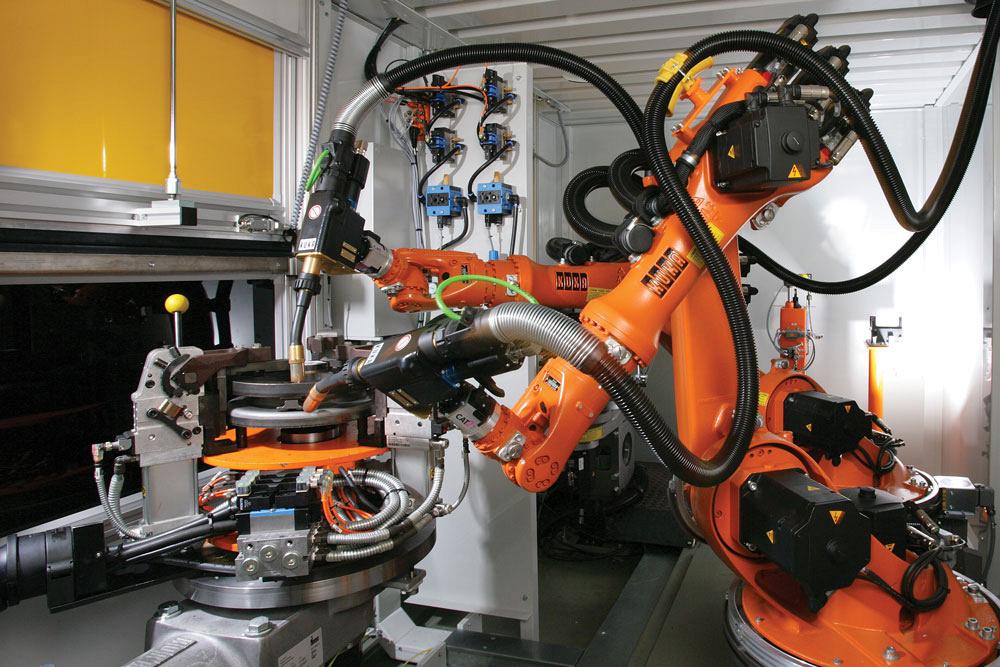
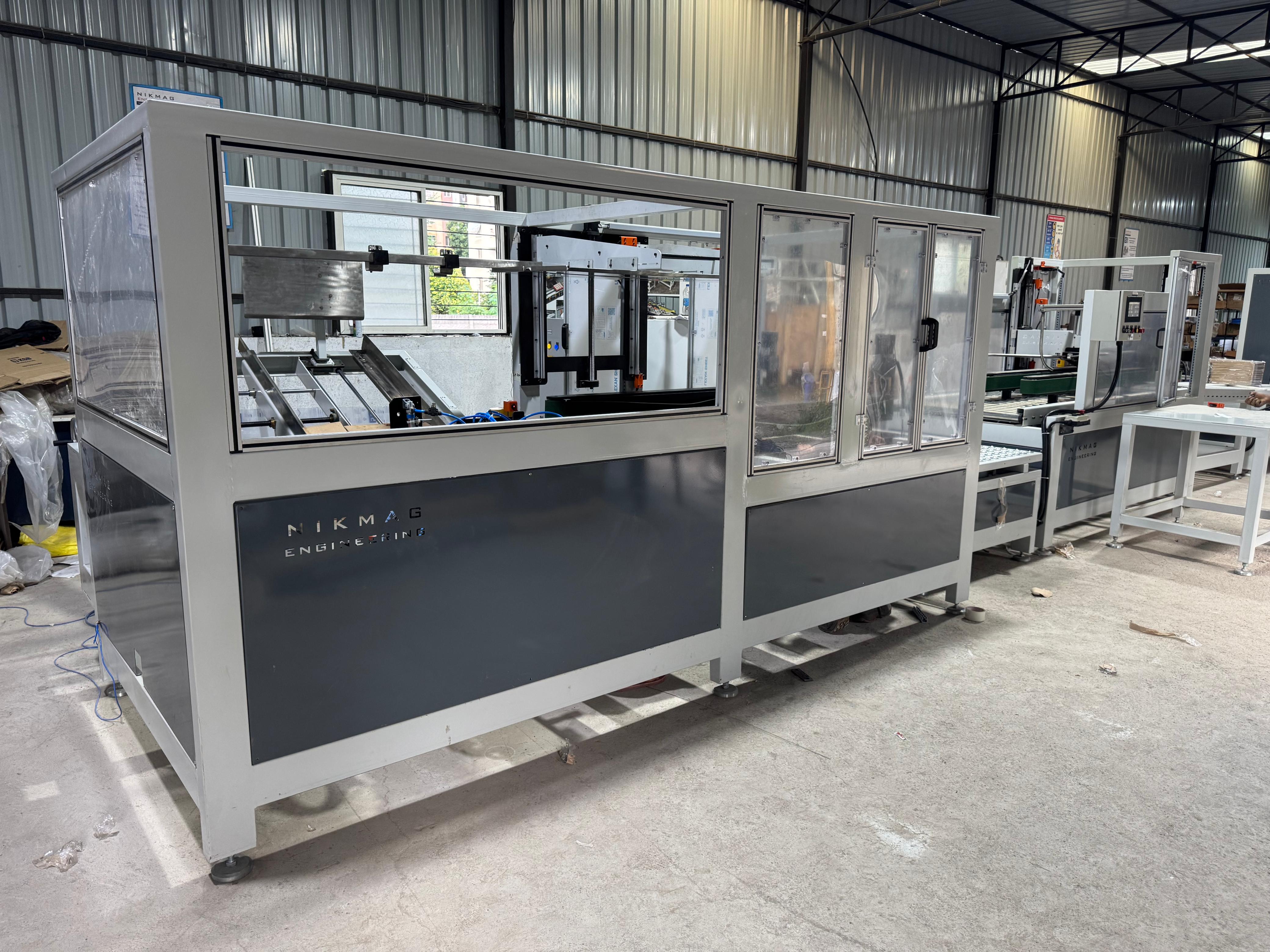
Key Features of Modern Robotics Systems
- Artificial Intelligence & Machine Learning: Artificial intelligence is the intelligence layer that drives modern robotic systems. Machine learning models enable robots to continuously learn from operational data, refine their performance, and adapt to new scenarios without manual reprogramming.
- Computer Vision Systems: Computer vision acts as the sensory perception system for robots. Using high-resolution cameras, 3D vision sensors, and AI-based image processing algorithms, robots can interpret complex visual data in real time.
- IoT& Industrial Connectivity: IoT integration enables seamless communication between robots, machines, and cloud platforms. Sensors embedded within robotic systems collect real-time data on performance, environmental conditions, and operational parameters.
- Edge Computing & Embedded Systems: Edge computing reduces latency by processing data locally at the device level rather than relying solely on cloud infrastructure. This ensures faster response times and real-time decision-making.
- Human-Robot Interaction (HRI): Human-robot interaction technologies enhance usability and collaboration between humans and machines. Advanced interfaces include gesture recognition, voice control, augmented reality (AR), and haptic feedback systems.
Advantages of Robotics Implementation
- Increased Productivity and Throughput: Robotic systems significantly enhance production capacity by operating continuously without fatigue. Automated workflows reduce cycle time and eliminate bottlenecks, leading to higher throughput.
- Superior Precision and Quality Control: Robots deliver consistent accuracy at micro and nano levels, ensuring high-quality output. This is particularly critical in industries such as electronics, aerospace, and medical device manufacturing.
- Cost Optimization and ROI: Although robotics requires initial capital investment, it offers long-term cost benefits through reduced labor costs, lower error rates, and optimized resource utilization, supported by professional maintenance and programming services.
- Enhanced Workplace Safety: Robots are capable of performing hazardous tasks such as handling toxic materials, operating in extreme temperatures, and lifting heavy loads.
Applications of Robotics
- Manufacturing and Smart Factories: Robotics plays a crucial role in smart manufacturing by enabling automation of assembly lines, material handling, and quality inspection. Integration with IoT and AI creates fully connected production environments, often supported by special-purpose machines and robotic automation.
- Logistics and Warehousing: Autonomous robots streamline warehouse operations through automated picking, sorting, and transportation. AI-driven route optimization improves efficiency and reduces delivery time.
- Healthcare and Medical Industry: Robotics is used for surgical procedures, diagnostics, patient care, and rehabilitation. AI integration enhances accuracy and improves patient outcomes.
- Agriculture and Smart Farming: Robots assist in planting, harvesting, crop monitoring, and irrigation management. These technologies increase productivity and promote sustainable farming practices.
As a trusted Robotics Company in Pune , we provide advanced robotic automation solutions to manufacturing units and industrial facilities across city rapidly growing industrial corridor.
Market Strategy in the Current Scenario
Robotics companies are focusing on Industry 4.0 integration, SME adoption, localization, and Robotics-as-a-Service (RaaS) models. System integrators are playing a key role in enabling flexible automation for small and medium enterprises. Data-driven strategies and AI-based optimization are helping businesses achieve higher efficiency and competitiveness.
Future Market Trends in Robotics
The future of robotics includes physical AI, autonomous ecosystems, smart logistics, defense robotics, and hyper-automation. Continuous innovation in AI and machine learning will drive the next phase of growth, supported by leading robotics manufacturers and technology providers.
- Emerging Technological Innovations: Technologies such as digital twin, reinforcement learning, soft robotics, blockchain integration, and quantum computing are shaping the future of robotics and automation.
- Challenges in the Robotics Industry: Challenges include high initial investment, skill gaps, cybersecurity risks, integration complexity, and dependency on imports. However, ongoing innovation, skilled technical support services, and government initiatives are steadily addressing these issues.
- Current Market Scenario (2024–2026)
| Key Factor | Current Data (Chakan Robotics Market) | Market Impact | How Companies Gain Market Share |
|---|---|---|---|
| Market Size | ~$1.98 Billion (2025) | Growing but still emerging | Early adoption advantage for robotics companies |
| Industrial Robotics Revenue | $1.62 Billion (2024) | Dominates robotics adoption | Focus on manufacturing automation solutions |
| Annual Robot Installations | ~8,000 units (2024) | Increasing adoption rate | Companies offering scalable automation gain traction |
| Growth Rate | 13–16% CAGR (industrial robotics) | Strong expansion phase | Tech-driven companies outperform traditional players |
| Logistics Robotics Market | ~$834 Million | Boosted by e-commerce growth | Companies targeting warehouse automation scale faster |
| Consumer Robotics Growth | 30.3% CAGR | Fastest growing segment | AI-enabled consumer products create new revenue streams |
| Robot Installations Growth | 84% increase (2021–2024) | Rapid industrial adoption | Early movers capture large enterprise clients |
| Top Industry Adoption | Automotive, Electronics | High automation dependency | Industry-specific solutions drive dominance |
- Future Market Growth & Projections
| Key Factor | 2030 Projection | Growth Insight |
|---|---|---|
| Industrial Robotics Market | $3.44 Billion | ~2X growth from 2024 |
| Total Robotics Market | $7.38 Billion by 2034 | Strong long-term expansion |
| Annual Robot Installations | 15,000–20,000 units | Chakan moving toward top 5 globally |
| Consumer Robotics Market | $2.74 Billion | Massive adoption in households |
| Deeptech Market (Chakan) | $30 Billion by 2030 | Robotics plays key role |
| Logistics Automation Growth | Rapid expansion | Driven by e-commerce & supply chain |
| CAGR (Overall Robotics Chakan) | ~15–16% CAGR | Sustained high growth |
Nikmag Engineering is a top Robotics Company in Chakan, where advancements in artificial intelligence, automation, and digital transformation are reshaping the industrial landscape. Businesses across multiple sectors are increasingly adopting robotics to improve efficiency, precision, and scalability. With a strong focus on intelligent and future-ready automation solutions, we are committed to aligning with global technological trends while meeting the dynamic requirements of modern industries.
FAQs
It is an organization that designs, develops, and deploys robotic systems using advanced technologies like AI, IoT, and automation.
Manufacturing, healthcare, agriculture, logistics, defense, and electronics industries widely use robotics.
AI, machine learning, computer vision, IoT, edge computing, and embedded systems are key technologies.
Collaborative robots designed to work safely alongside humans.
The future includes AI-driven automation, autonomous systems, smart factories, and widespread adoption across industries.
By automating repetitive tasks, reducing errors, and enabling continuous operations, robotics significantly boosts efficiency.