Process Automation Services in Pune
Nikmag Engineering is one of the leading provider of Process Automation Services in Pune, Maharashtra. We help organizations automate repetitive, time-consuming tasks efficiently by using the advanced automation technologies, intelligent workflows, and data-driven solutions. Our experts analyse existing processes, identify automation opportunities and implement customized strategies that improve productivity, reduce operational costs, minimize errors, and accelerate business performance.



In today’s rapidly evolving industrial ecosystem, process automation has emerged as a critical enabler of efficiency, scalability, and innovation. Businesses are no longer relying on conventional manual operations; instead, they are embracing intelligent automation powered by Artificial Intelligence (AI), Machine Learning (ML), Industrial Internet of Things (IIoT), and advanced robotics. These technologies are reshaping production environments into smart, self-optimizing systems capable of real-time decision-making and predictive control.
Process Automation Service Providers in Pune
Process automation services involve the implementation of intelligent systems and digital technologies to streamline, monitor, and optimize industrial and business operations. These services go beyond basic automation by incorporating advanced tools such as cloud computing, edge analytics, and AI-driven algorithms to create interconnected ecosystems.
At the core, process automation focuses on eliminating repetitive manual tasks, reducing operational inefficiencies, and enabling seamless workflow orchestration. Modern systems utilize real-time data acquisition through sensors, automated control via PLCs and DCS, and centralized monitoring through SCADA platforms.
Types of Process Automation Services
- Industrial Automation
Industrial automation encompasses the use of control systems, robotics, and software to manage manufacturing processes with minimal human intervention. It involves technologies such as Distributed Control Systems (DCS), Supervisory Control and Data Acquisition (SCADA), and Programmable Logic Controllers (PLCs).
These systems are designed to handle complex operations with high precision and reliability. Advanced motion control systems, servo drives, and robotics are integrated to enhance production speed and accuracy. Industrial automation also includes real-time monitoring and control, enabling operators to track performance metrics and make data-driven decisions.
- Robotic Process Automation (RPA)
Robotic Process Automation focuses on automating repetitive, rule-based tasks in digital environments. RPA bots can perform tasks such as data entry, invoice processing, and report generation with high speed and accuracy.
With the integration of AI and ML, RPA is evolving into intelligent automation capable of handling unstructured data and making decisions. This transformation allows businesses to automate complex workflows and improve operational efficiency across various departments.
- Intelligent Process Automation (IPA)
Intelligent Process Automation combines RPA with AI technologies such as Natural Language Processing (NLP), computer vision, and cognitive computing. This enables systems to
understand, learn, and adapt to changing conditions.
IPA is particularly useful in scenarios requiring decision-making and data analysis. It allows organizations to automate end-to-end processes, improve accuracy, and enhance customer experience through personalized interactions and predictive insights.
- IoT-Based Automation
Industrial Internet of Things (IIoT) integrates connected devices, sensors, and cloud platforms to create a network of intelligent systems. These systems collect and analyze data in real time, enabling predictive maintenance and remote monitoring.
IIoT-based automation enhances operational visibility and allows organizations to optimize processes through data-driven insights. It also facilitates seamless communication between machines, systems, and humans, supporting advanced workflow automation and digital transformation initiatives.
- AI-Driven Autonomous Systems
AI-driven autonomous systems utilize advanced algorithms, neural networks, and reinforcement learning to create self-learning automation models. These systems can operate independently, make decisions, and optimize processes without human intervention.
Such systems are particularly beneficial in complex industrial environments where real-time adaptability and continuous improvement are required. They represent the future of automation, enabling fully autonomous operations.
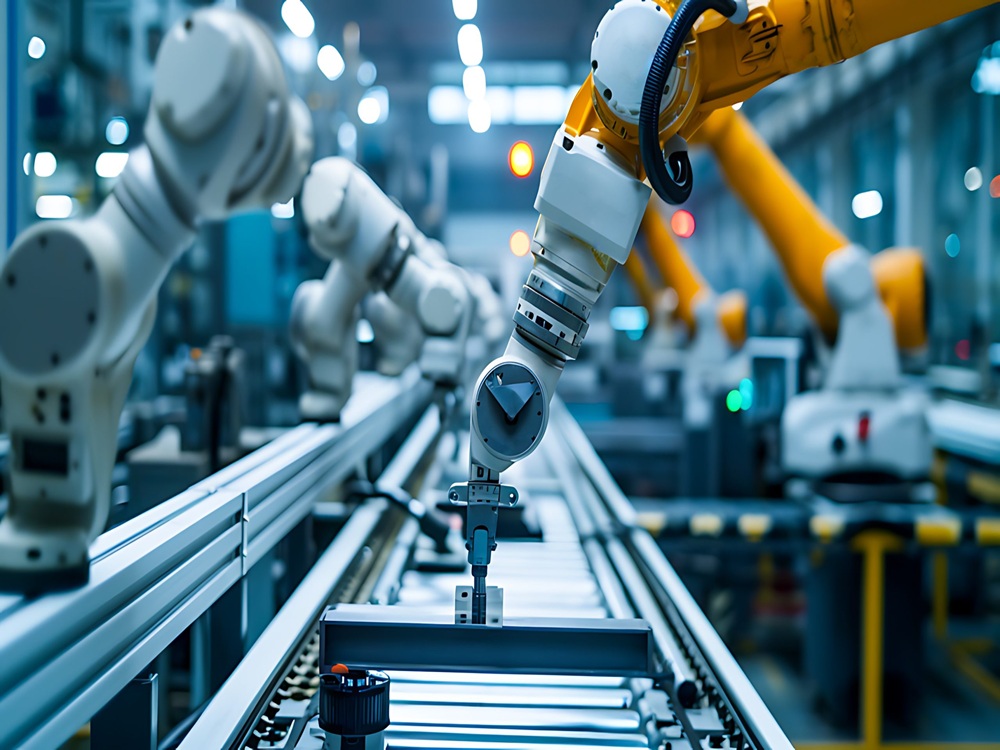
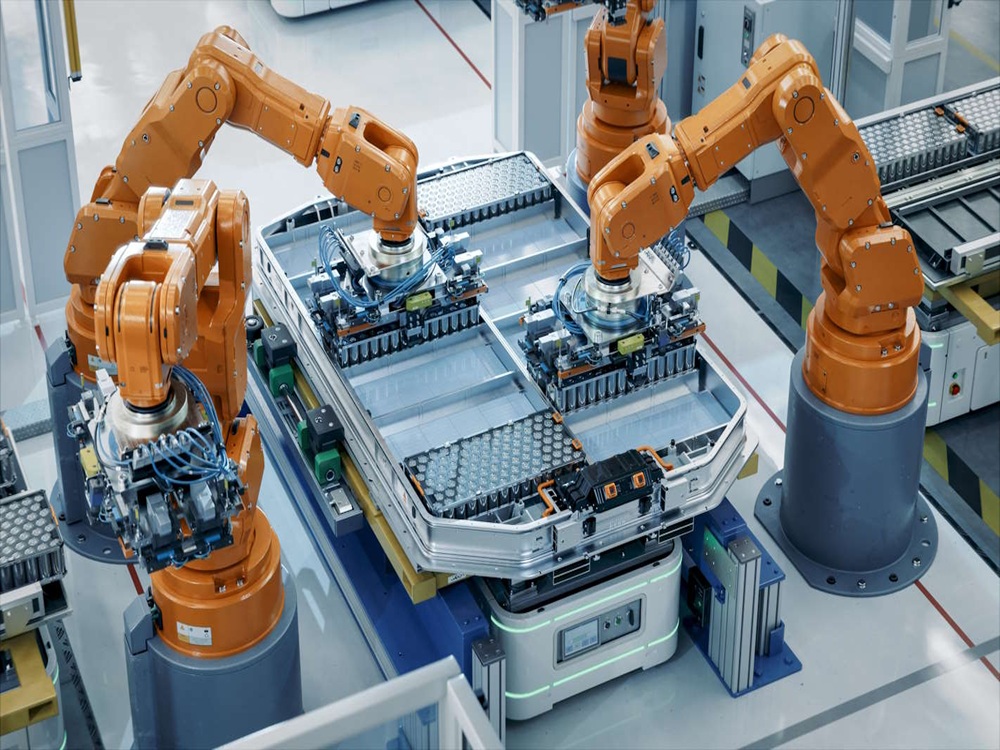
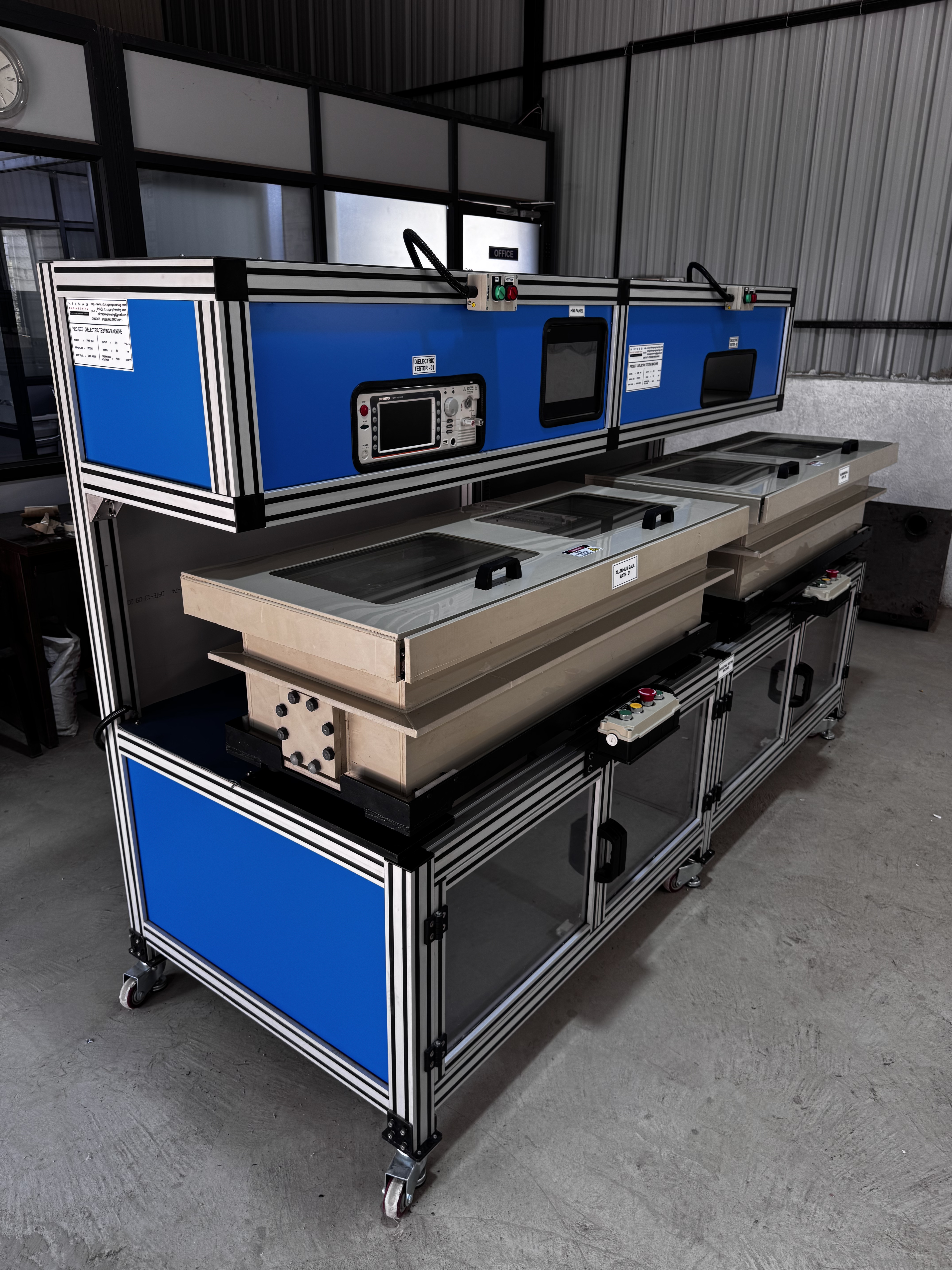
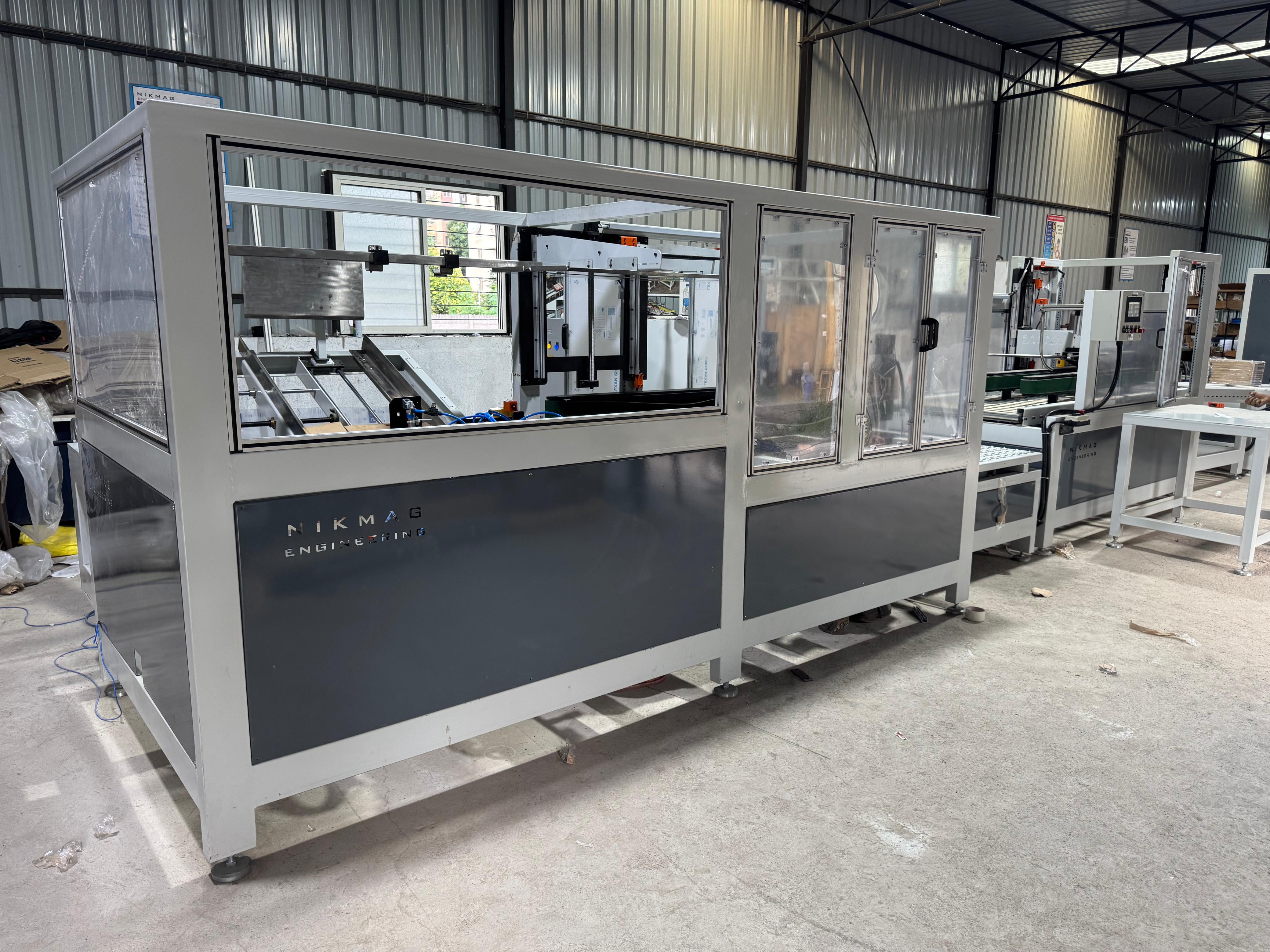
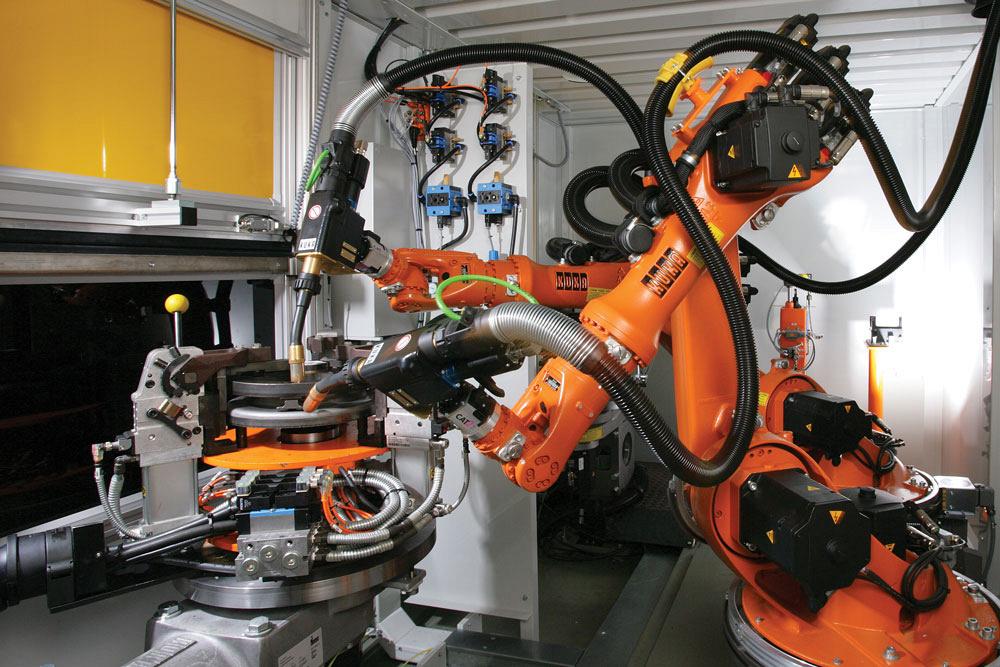
Process Automation Service Images
Key Features of Modern Process Automation
- Advanced Data Integration
Modern automation systems integrate multiple platforms such as ERP, MES, and cloud-based applications to create a unified data ecosystem. This integration ensures seamless data flow across departments and enhances collaboration.
- Real-Time Monitoring and Analytics
With the help of IoT sensors and edge computing, organizations can monitor processes in real time. Advanced analytics tools provide actionable insights, enabling quick decision-making and improved operational efficiency.
- Predictive Maintenance
AI-driven predictive maintenance uses data analytics to identify potential equipment failures before they occur. This approach reduces downtime and lowers maintenance costs.
- Scalability and Flexibility
Cloud-native automation platforms allow businesses to scale operations as needed. These systems are highly flexible and can be tailored to specific industry requirements.
- Cybersecurity and Compliance
Automation systems incorporate advanced cybersecurity measures to protect sensitive data and ensure compliance with industry regulations.
Applications of Process Automation Services
- Manufacturing Process Optimization
Process automation is widely applied in manufacturing units to create highly synchronized and intelligent production environments. Through integrated systems such as PLCs, SCADA, robotics, and MES platforms, production lines are automated end-to-end.
- Smart Factory and Industrial IoT Integration
In modern smart factories, process automation plays a crucial role in connecting machines, sensors, and enterprise systems into a unified digital ecosystem. Industrial IoT (IIoT) enables continuous data exchange between physical assets and cloud platforms.
- Business Workflow Automation and Digital Operations
Process automation is extensively used in business environments to streamline administrative and operational workflows. It is applied in areas such as document processing, invoice management, HR operations, customer onboarding, and compliance workflows.
- Predictive Maintenance and Asset Management
One of the most impactful applications of process automation is predictive maintenance. Sensors installed on machines continuously collect operational data such as temperature, vibration, and performance metrics.
- Industrial Safety and Hazard Control Systems
Process automation is widely implemented in industrial safety applications to minimize human exposure to hazardous environments. Automated safety systems are integrated with real-time monitoring tools, emergency shutdown mechanisms, and environmental sensors.
Market Strategy in the Current Scenario
The current market scenario is characterized by rapid digital transformation and increasing adoption of smart manufacturing technologies. Organizations are focusing on implementing automation strategies to enhance productivity and remain competitive.
Key strategies include the adoption of AI-driven analytics, cloud-based platforms, and integrated digital ecosystems. Companies are also investing in workforce upskilling and collaborating with automation specialists to build scalable, future-ready solutions.
- Current Market Scenario (2024–2026)
Market Segment Market Share / Value (2026) Growth Drivers Key Insight Global Process Automation Market ~USD 120.65 Billion Industrial digitalization, smart factories Largest base segment driven by manufacturing & energy Intelligent Process Automation (IPA) ~USD 16–19 Billion range AI + RPA integration, cloud adoption Fastest transformation layer inside automation Services Segment (Consulting + Implementation) ~55%+ market share High demand for integration expertise Dominates due to lack of in-house AI automation skills RPA + AI Automation Combined Share ~35–40% of enterprise automation adoption AI-driven bots, workflow automation Shift from rule-based bots → intelligent agents Cloud-Based Automation Deployment ~60%+ adoption share Scalability + remote operations Becomes default deployment model globally Manufacturing & Industrial Sector ~28–32% usage share Smart factories, robotics Strongest adopter of physical + digital automation BFSI (Banking & Finance) ~20–25% share Fraud detection, process automation Highest digital transaction automation usage
Future Market Scenario
The future of process automation lies in the convergence of advanced technologies such as AI, robotics, and quantum computing. Hyperautomation will become standard, supported by innovations in industrial IoT and smart factory automation in Pune and Maharashtra.
Digital twins, edge computing, and autonomous systems will drive transformation, enabling faster and more intelligent operations. The evolution of end-to-end manufacturing process automation in Pune and Maharashtra will lead to self-operating enterprises with enhanced human-machine collaboration.
- Future Market Growth & Projections
Market Segment Expected 2031 Value / Share CAGR Trend Future Growth Direction Global Process Automation Market ~USD 154–195 Billion ~5–6% CAGR Stable industrial expansion with AI acceleration Intelligent Process Automation (IPA) ~USD 37–45 Billion ~11–16% CAGR Rapid expansion due to AI + agentic automation AI-Driven Automation Services +2.5x to 3.5x growth expected ~20–25% CAGR Strong shift toward autonomous enterprise systems RPA Evolution (AgenticAutomation) Declining standalone share, rising hybrid AI share Transition phase RPA merges into AI orchestration platforms Cloud Automation Dominance ~75–80% deployment share Continuous rise Cloud-native automation becomes standard Industrial Robotics Integration Strong double-digit growth ~12–18% CAGR Physical + digital convergence in factories Healthcare &Pharma Automation Fastest growing vertical ~15–20% CAGR AI diagnostics + automated compliance systems
Technological Features Transforming Automation
- Cognitive Automation
Enhances system intelligence and adaptability, often implemented through custom software solutions for process automation. - Natural Language Processing (NLP)
Enables conversational interfaces and intelligent communication, integrated within robotic process automation (RPA) services. - Computer Vision
Improves inspection and quality control, widely used in industrial IoT environments and smart manufacturing operations. - Blockchain Integration
Ensures secure and transparent data exchange across automated ecosystems. - Digital Workforce Platforms
AI-driven virtual workers support complex operations, aligning with workflow automation and business digitalization initiatives.
Process automation is transforming industries by enabling intelligent, efficient, and scalable operations. With the integration of AI, robotics, and advanced digital technologies, businesses can achieve higher levels of productivity, operational efficiency, and innovation.
Nikmag Engineering provide best Process Automation Services in Pune and Maharashtra, we continues to drive this transformation by delivering cutting-edge solutions, reinforcing its position among trusted providers of industrial process automation companies in Pune and Maharashtra and empowering organizations to thrive in a rapidly evolving technological landscape.
Also Prode Service Across The City
As a leading provider of Process automation services in Pune, we also serve clients in Chakan , Bhosari , Ranjangaon , and Sambhaji NagarFAQs
Process automation is the use of advanced technologies to automate repetitive and complex tasks, improving efficiency and accuracy.
Industries such as manufacturing, healthcare, logistics, and energy widely use automation services to optimize operations.
AI enhances automation by enabling predictive analytics, intelligent decision-making, and continuous learning.
The future includes hyperautomation, autonomous systems, and advanced AI-driven technologies.
While initial investment may be high, automation provides long-term cost savings and increased efficiency.