Industrial Automation Company in Pune, Maharashtra 2026 - Nikmag
Nikmag Engineerins is the Best Industrial Automation Company in Pune, Maharashtra. We offer end-to-end PLC, SCADA, robotics, and smart factory automation solutions since from 2019. We provide end-to-end automation services designed to help industries modernize processes, improve operational control, and achieve greater productivity. We offer Customized Industrial Automation Solutions tailored to diverse industrial requirements. Our solutions help businesses automate repetitive processes, improve operational efficiency, enhance process monitoring, reduce manual intervention, and achieve better control over industrial operations.



Industrial Automation Company in Pune
Industrial automation systems is not limited to machine control or production optimization—it is evolving into a complete digital transformation ecosystem. The region is witnessing a convergence of advanced manufacturing technologies such as AI-based decision systems, IoT-enabled smart devices, cloud-integrated factories, and robotics-assisted production lines.
Manufacturing units are increasingly adopting cyber-physical systems where physical machinery is integrated with digital intelligence layers.
Types of Industrial Automation Systems
As a top Industrial Automation Company in Pune, we offer high-quality automation solutions, including:
- Fixed Automation Systems
Fixed automation systems are designed for continuous and high-volume production environments where product design remains constant. These systems rely on dedicated machinery and rigid production setups that ensure maximum output efficiency. They are commonly used in automotive assembly lines, packaging industries, and mass production facilities where process repetition is high and variation is minimal.
- Programmable Automation Systems
Programmable systems offer flexibility for batch production by allowing reconfiguration of machines through software or control logic changes. These systems are widely used in CNC machining, industrial robots, and PLC-controlled environments. They enable manufacturers to switch between product variants without completely redesigning production infrastructure.
- Flexible Automation Systems
Flexible automation represents a more advanced level where production systems can dynamically adapt to different product types with minimal downtime. These systems utilize intelligent robotics, automated material handling, and adaptive control systems. They are particularly useful in industries where customization and frequent product variation are required, including warehouse operations and conveyor-based material flow systems.
- Integrated Automation Systems
Integrated automation systems combine multiple production processes into a unified digital environment. These systems connect machinery, software platforms, and control systems into a centralized architecture. Real-time data exchange between machines ensures synchronized operations, improved decision-making, and reduced operational inefficiencies.
- Intelligent Automation Systems (Next Gen)
Intelligent automation systems represent the future of manufacturing, where AI, machine learning, and autonomous systems drive production decisions. These systems can self-monitor, self-correct, and optimize performance without human intervention. They also incorporate digital twins, edge computing, and predictive analytics to simulate and improve manufacturing outcomes in real time.
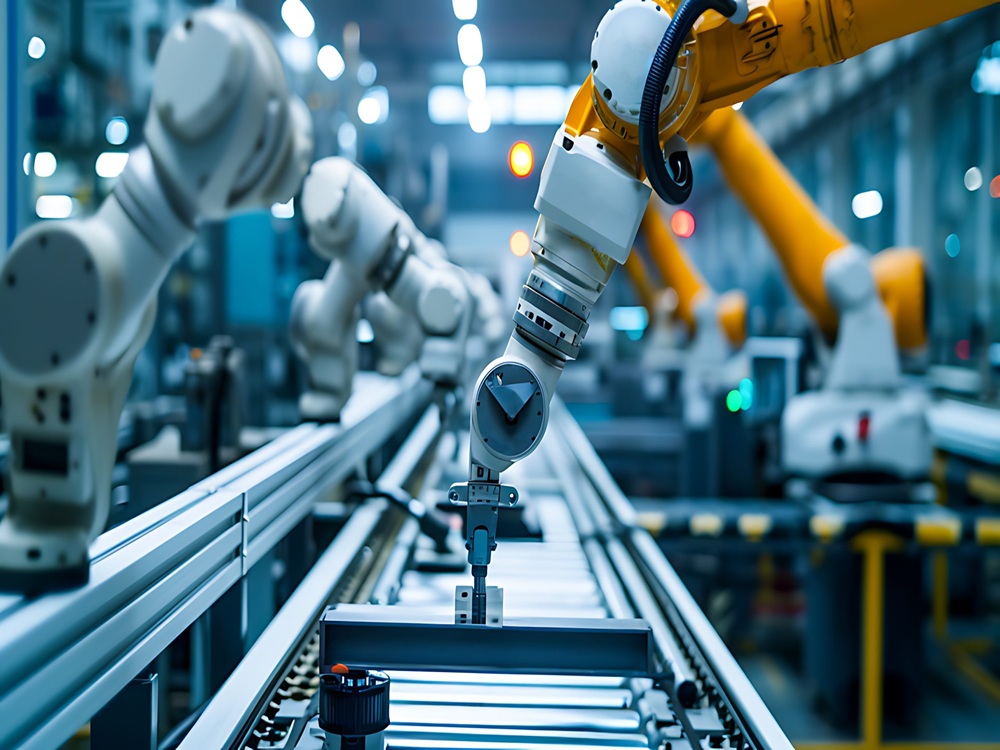
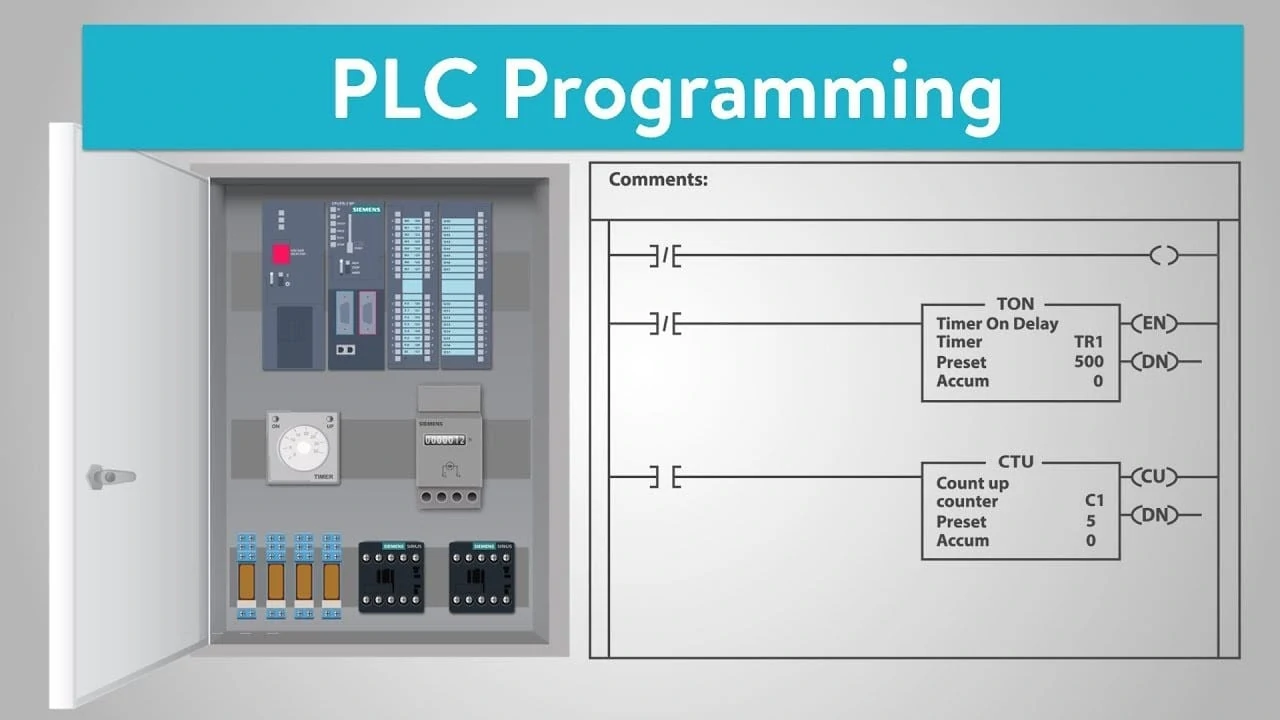
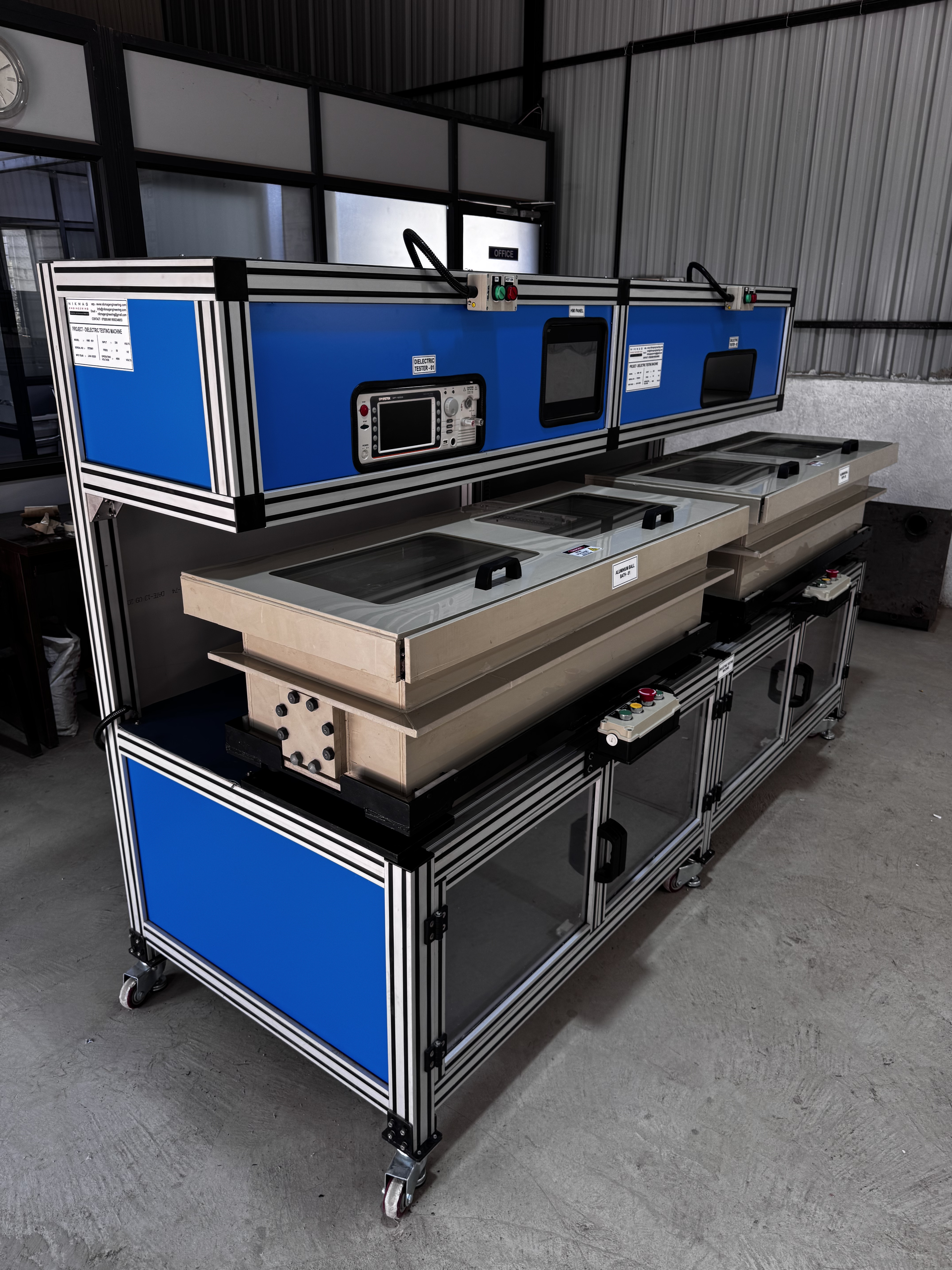
Industrial Automation System Images
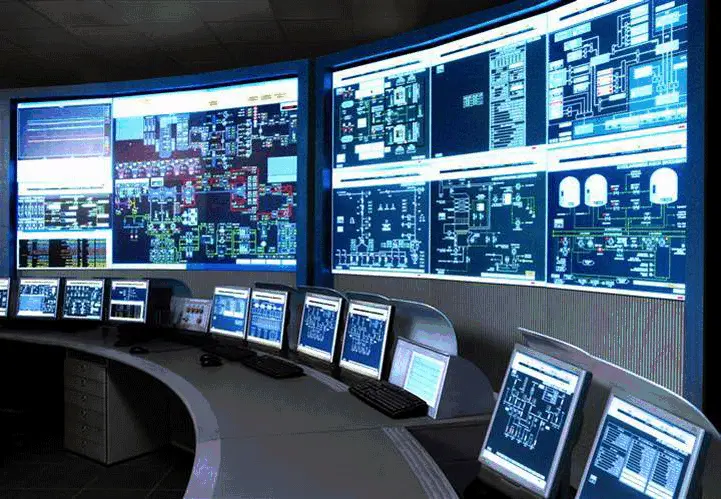
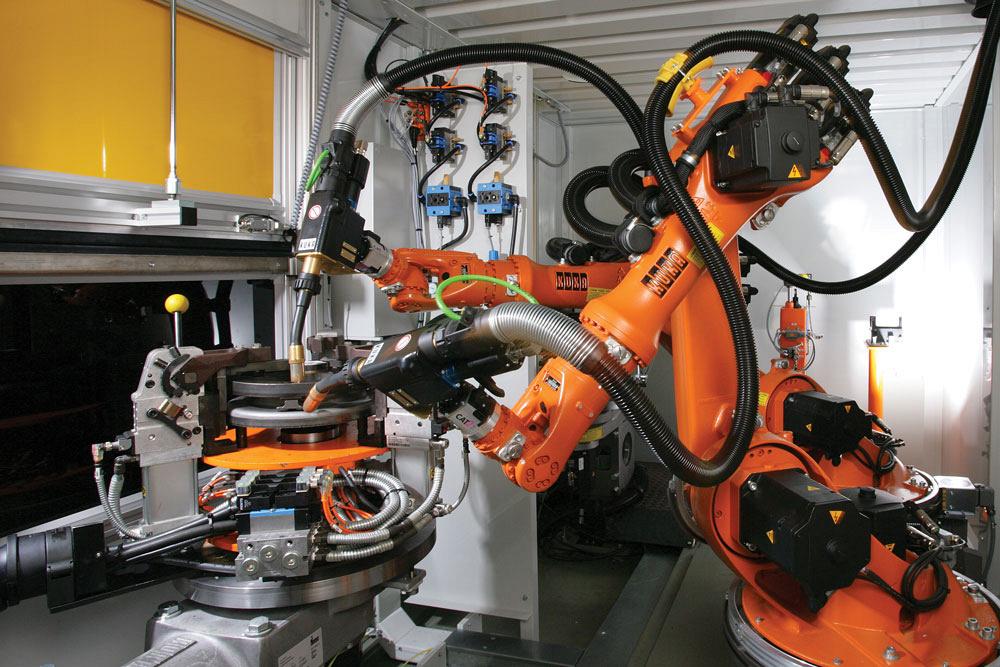
Core Technological Features Driving Modern Automation
Modern industrial automation systems are built on a strong foundation of digital intelligence and advanced engineering technologies that enable precision, scalability, and autonomous decision-making.
- Artificial Intelligence (AI) Integration
AI plays a critical role in transforming traditional manufacturing into intelligent production ecosystems. It enables predictive maintenance, AI-based quality inspection, and autonomous production scheduling. Many automation providers are integrating AI to enhance system reliability and operational intelligence.
- Robotics & Autonomous Systems
Robotics technology has significantly advanced with collaborative robots and AI-powered robotic arms. These systems are used in welding, packaging, assembly, and material handling. Autonomous robotics continues to evolve across multiple industrial sectors, supporting next-generation smart manufacturing initiatives.
- Industrial Internet of Things (IIoT)
IIoT connects machines, sensors, and industrial devices into a unified communication network. This enables real-time monitoring of production parameters and supports cloud-based analytics for better decision-making. It remains a foundational component of modern Industry 4.0 implementation strategies.
Advantages of Industrial Automation
Industrial automation provides transformative benefits that extend beyond productivity improvements and directly impact business efficiency, safety, and long-term scalability.
- Enhanced Productivity
Automation systems enable continuous production cycles without interruptions, significantly increasing output levels and reducing downtime.
- Improved Quality Control
Automated systems ensure consistent product quality through AI-based inspection and real-time monitoring systems.
- Cost Efficiency
Industrial automation reduces operational costs by minimizing labor dependency and optimizing resources. It also makes advanced manufacturing technologies more accessible to small and medium-sized enterprises.
- Workplace Safety
Automation reduces human exposure to hazardous environments by shifting high-risk tasks to robotic systems.
Market Strategy in Current Industrial Scenario
The industrial automation market is experiencing a major shift driven by digital transformation, AI adoption, and smart manufacturing initiatives. Companies are increasingly focusing on end-to-end automation strategies that streamline implementation from design and engineering to deployment and long-term support.
Current Market Strategy Trends
Modern manufacturing strategies emphasize Industry 4.0 adoption, AI-powered analytics, and robotics-as-a-service models. Cloud-based systems and data-driven decision-making are now core pillars of industrial competitiveness.
- Current Market Scenario (2024–2026)
Growth Factor Market Share Impact in Pune Key Technology Drivers Industry Outcome AI-based Smart Manufacturing Adoption +18%–22% contribution to local automation demand Machine Learning, Deep Learning, Edge AI Real-time production optimization & defect reduction Robotics & Cobots Deployment +15%–19% expansion in industrial automation projects Collaborative Robots, Autonomous Arms, Swarm Robotics Faster assembly lines with higher precision Industrial IoT (IIoT) Integration +20%–25% increase in connected factory systems Smart Sensors, Cloud Edge Computing, 5G Industrial Networks Predictive maintenance & live monitoring systems Digital Twin Implementation +10%–14% adoption growth in manufacturing plants Simulation Engines, Virtual Factory Modeling Reduced downtime & improved production forecasting PLC, SCADA, DCS Upgradation +12%–16% modernization demand in legacy industries Advanced Control Systems, Cyber-Physical Systems Transition from manual to semi-autonomous operations Smart Supply Chain Automation +14%–18% logistics automation growth in Pune belt AI Logistics Optimization, Warehouse Robotics Faster inventory handling & reduced operational delays
Future Market Strategy of Industria Automation Company
- AI-Driven Autonomous Factories
Future factories will operate with minimal human intervention, relying entirely on AI systems for decision-making and optimization.
- Robotics + Generative AI Integration
Robotics will evolve with generative AI enabling adaptive learning and dynamic process redesign.
- Agentic AI Systems
Agentic AI will enable autonomous coordination between multiple production units for real-time optimization.
- Human-Robot Collaboration (Industry 5.0)
Future systems will focus on seamless collaboration between humans and intelligent robots for enhanced productivity.
- Future Market Growth & Projections
Growth Driver Expected Market Share Expansion Future Technologies Strategic Impact Autonomous Smart Factories +35%–45% market penetration by 2031 Agentic AI, Fully Autonomous Systems, Self-learning Production Lines Minimal human intervention manufacturing AI + Generative Manufacturing Systems +28%–34% adoption rise Generative AI, Adaptive Process Optimization, AI Simulation Engines Dynamic production redesign in real time Robotics-as-a-Service (RaaS) Model +25%–30% commercial adoption Subscription-based Robotics Platforms Lower CAPEX barrier for SMEs Hyperautomation Ecosystems +30%–38% integration across industries AI Orchestration, Process Mining, Intelligent Workflow Engines End-to-end automated enterprise operations Industrial Cybersecurity Expansion +22%–27% growth in demand AI Cyber Defense, Zero Trust Architecture, OT Security Systems Secure connected manufacturing networks Sustainable & Green Automation +20%–26% market expansion Energy Optimization AI, Carbon Tracking Systems, Smart Energy Grids Reduced industrial carbon footprint
Challenges of Industrial Automation Adoption
Despite its advantages, industrial automation adoption presents challenges such as high initial investment, cybersecurity risks, skill shortages, and integration complexity. Even experienced automation system integrators face difficulties in modernizing legacy infrastructure while ensuring secure, scalable, and future-ready deployments.
Nikmag Engineering is a trusted Industrial Automation Company in Pune, Maharashtra. We are delivering customized SCADA, robotics, and smart factory solutions for modern manufacturing and industrial applications. Our expertise in Special Purpose Machines (SPMs), industrial automation, process automation, and control panel manufacturing helps businesses improve productivity, process efficiency, reliability, and operational performance. With a focus on innovative engineering and application-specific solutions, we support industries in adopting advanced automation technologies for sustainable growth and next-generation manufacturing.
Location We Serve Across the City
Being a top Industrial Automation Company in Pune, we also serve clients in Chakan, Bhosari, Ranjangaon, and Sambhaji Nagar
FAQs
Industrial automation refers to the use of advanced technologies such as AI, robotics, and control systems to automate production processes with minimal human intervention.
Pune has a strong industrial base, skilled engineering workforce, automotive clusters, and advanced R&D infrastructure that support automation growth.
Key technologies include AI, machine learning, robotics, IoT, PLC/SCADA systems, digital twins, and machine vision.
AI enhances predictive maintenance, quality control, production optimization, and autonomous decision-making in manufacturing systems.
The future includes autonomous factories, AI-driven robotics, agentic AI systems, Industry 5.0 collaboration, and sustainable smart manufacturing ecosystems.